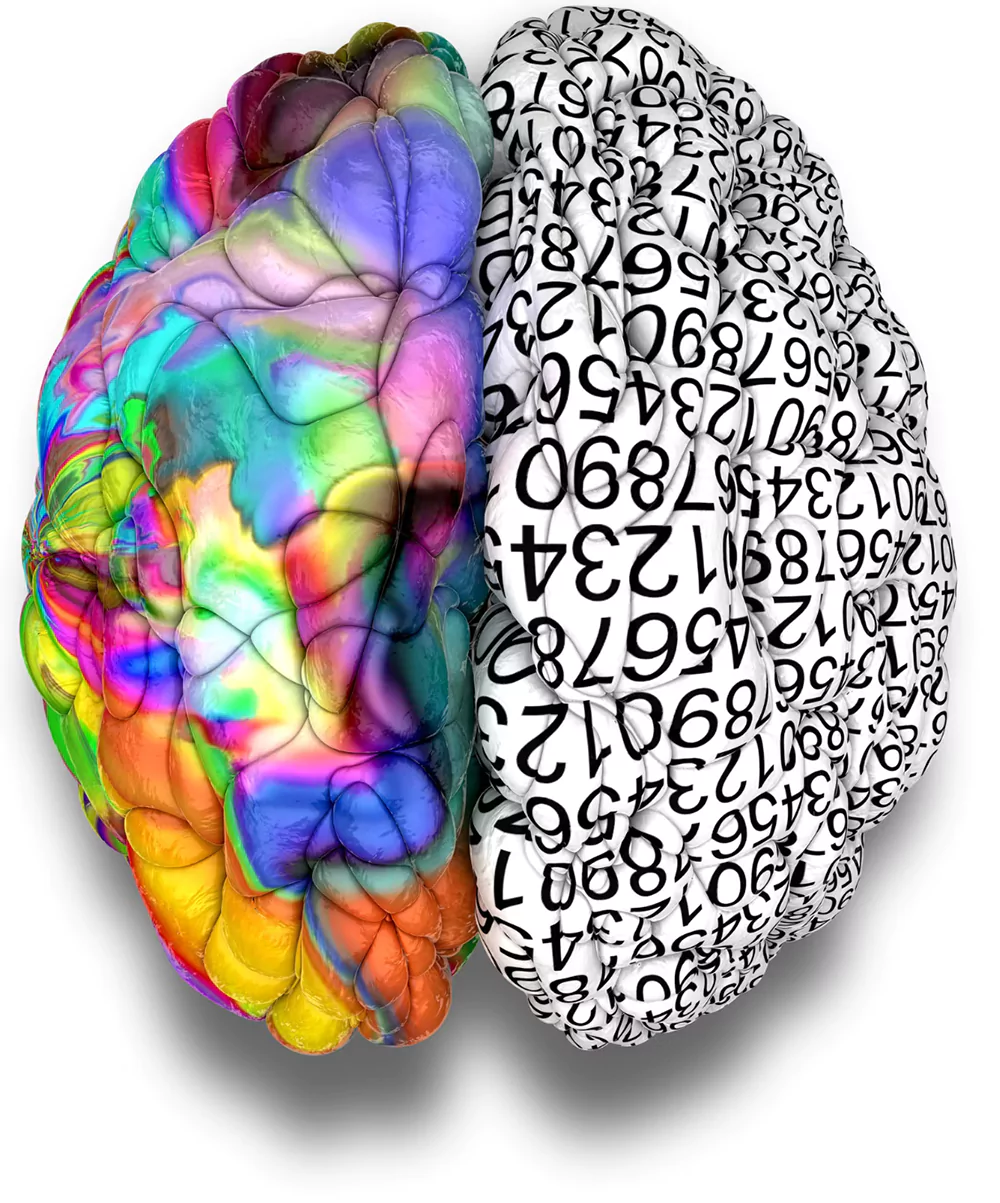
Autism is a neurodevelopmental condition, which means it is related to how the brain develops and functions. It often appears in early childhood, although some people are diagnosed later in life. Doctors usually look for differences in two main areas:
This may include differences in eye contact, response to name, social play, language development, gestures, routines, and repetitive movements. There may also be intense interests or sensitivities to sounds, lights, textures, or other sensory input.
Autism is not a disease; it is also known as autism spectrum disorder, which affects how a person communicates, processes information, experiences the senses, interacts socially, and understands the world. Autistic people may think, learn, and express themselves differently.
Each autistic person has their own personality, strengths, challenges, preferences, and support needs. One of the most important things to understand is that autism looks different in different people. For example, one autistic child may cover their ears in a noisy classroom because the sound feels painful or overwhelming. Another autistic person may become deeply focused on a special interest and spend hours learning about it. Someone else may avoid eye contact, not because they are rude or uninterested, but because eye contact feels uncomfortable or distracting.
Parents are often the first to notice that something feels different. They may say, “My child does not respond when I call,” or “My child plays differently,” or “My child gets very upset with changes.” These concerns should always be taken seriously. Some early signs of autism may include:
Dr Praveena may also check for other conditions that can occur alongside autism, such as:
Dr Praveena doesn’t treat children over 7 years old, because getting results in small kids is easier than in older kids. Early identification is important because it can help children receive support sooner. Early support can improve communication, learning, emotional regulation, daily living skills, and family confidence.
This does not mean the goal is to make an autistic child “normal.” None of the therapies claim to make an autistic kid normal. But Dr Praveena offers specialised support to help children reach their fullest potential.
In the first 2 to 3 months, Dr Praveena’s goal is to help the child communicate, feel safe, learn skills, reduce distress, and participate in daily life in ways that respect who they are.
For example, if a child is frustrated because they cannot express needs, speech and communication support can reduce distress. If a child is overwhelmed by noise, occupational therapy and sensory strategies may help. If parents understand why routines matter, home life may become calmer. Support works best when it is respectful, individualised, and family-centred.
Autism is not a result of insufficient love, discipline, attention, or emotional warmth. It is related to brain development and influenced by a combination of genetic and biological factors.
There is no other system of medicine that “cures” autism because autism itself is not a disease. However, Dr Praveena’s treatment has helped children reach developmental levels similar to typical peers over 12 to 14 months. The patient needs to spend 3 hours and 20 minutes each day with Dr Praveena for 7 days every month over a period of 12 to 14 months.
In the first 2 to 3 months, therapies and educational supports may be recommended. After 7 days, medication for specific associated difficulties will be given to the parents to administer for the remaining 21 days. Then again, the child should present the same way for 12 to 14 months. After each 7-day session, children will show changes in their behaviour patterns.
The presentation will be different in each child. Helpful supports may include:
Speech therapy can assist with spoken language, language comprehension, social communication, or alternative communication methods like picture systems.
Occupational therapy can help with sensory processing, daily living skills, fine motor skills, feeding challenges, and self-regulation strategies.
Behavioural and developmental changes can be seen from the 4th month onwards in most kids. Some children benefit from structured teaching, developmental therapies, and social skills support. Or behaviour-based approaches after 7 months—Dr Praveena will concentrate on that. These should be respectful and should not aim to suppress harmless autistic traits such as stimming.
From the 10th month onwards, the focus should be on communication, safety, independence, and quality of life, as well as restricted or repetitive behaviours, routines, interests, or sensory differences. From 12 months onwards, children start responding to their name and begin speech or language development:
80% of the above-mentioned characteristics of a typical child can be noticed in children undergoing treatment.
Families often need practical advice on communication, routines, behaviour, sleep, feeding, and emotional support for the first 3 months of treatment. 100% belief and dedication from the parents’ side is very important. From highly standardised treatment, the parents are coming to a very simple level of treatment. So continuing without interruption is very important.
Medication does not treat autism itself. However, Dr Praveena prescribes medication if a person has significant anxiety, sleep problems, ADHD symptoms, aggression related to distress, seizures, or other medical conditions, along with Ayurvedic overall wellbeing of children. Medication should always be carefully considered and monitored. So every day, parents should update with videos and photos of the children through messages.
The treatment’s core role is the music designed by Dr Praveena. Children must sleep to that music every day, which is the most important part of the treatment. The treatment modalities are not as traditional as conventional treatment. This protocol, designed by Dr Praveena over five years, aims to electrically reset the brain through a non-invasive neural integrity approach that reconnects broken circuits in the developing brain.
From a doctor’s point of view, autism should be approached with science, but also with humanity. Clinical knowledge is important, but so is listening. Families need facts, but they also need reassurance. Autistic people need support, but they also need respect. Autism is not simply a checklist of symptoms. It is a lived experience. When we meet an autistic child, we are not just seeing a diagnosis. We are seeing a person with thoughts, emotions, preferences, strengths, struggles, and potential.
The goal of Dr Praveena’s medical care is not simply to erase autism. The goal is to reduce distress, address medical or emotional issues, enhance communication, support independence, and improve the quality of life for children with autism. After 12 to 14 months of treatment, about 80% of autistic children are expected to show significant behavioural improvements, similar to typical children.


 +91 89434 11000
 drpraveena@drpraveena.com
%20(1).png)


 +91 89434 11000
 drpraveena@drpraveena.com